Fragrance house
Fabergé
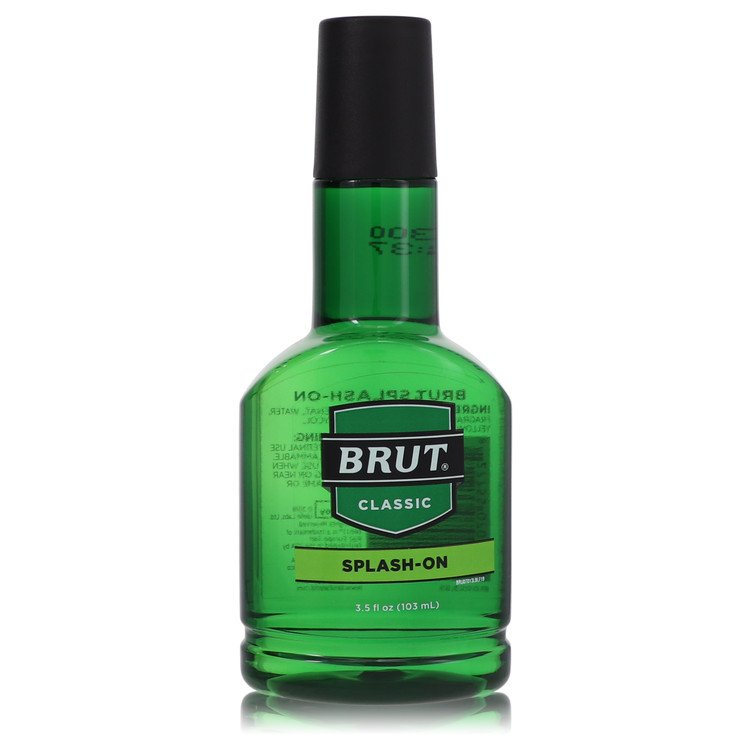
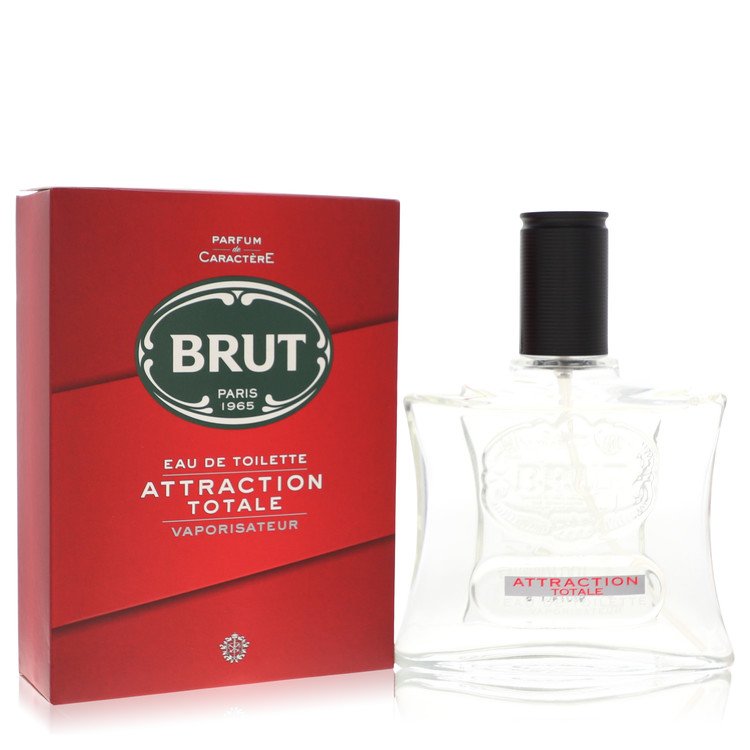
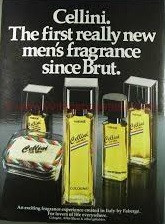
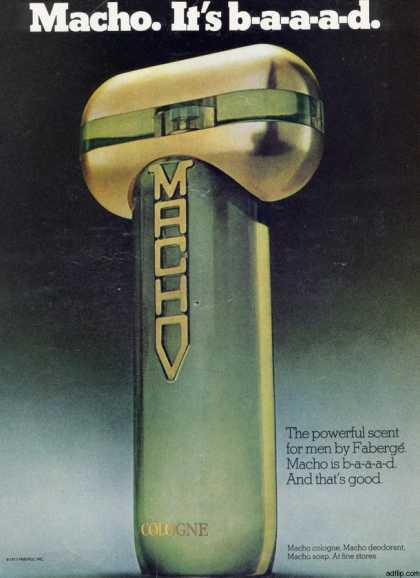
Fabergé traces its founding to 1842, when Gustav Fabergé opened a jewellery workshop and shop in St Petersburg. Peter Carl Fabergé took over the business in 1872, developing a design-led approach marked by coloured gemstones and refined enamelling. The House became closely associated with Imperial Easter Eggs after creating its first for Tsar Alexander III in 1885. The 1917 Russian Revolution ended production at the original House, which was nationalised as Peter Carl Fabergé and his family fled Russia. In 1937, Sam Rubin used the Fabergé name for a perfume business, with a 1951 settlement allowing its use solely for perfume. Fabergé Inc was acquired by Unilever in 1989. In 2007, a consortium led by Pallinghurst Resources acquired the worldwide brand and reunited it with direct Fabergé descendants. Gemfields acquired Fabergé Limited in 2013 and sold its entire interest to SMG Capital LLC on 29 August 2025. In 2026, the brand’s public identity was refreshed with a neoclassical-influenced logo and a blue-centred colour palette. Its fragrance legacy is most directly associated with Brut, which was Fabergé’s best-selling product at the time and launched in 1964.
Brand ratings
Leading notes
Leading accords
Explore Fabergé








On this page: 1–28 of 28