Fragrance house
L.T. Piver
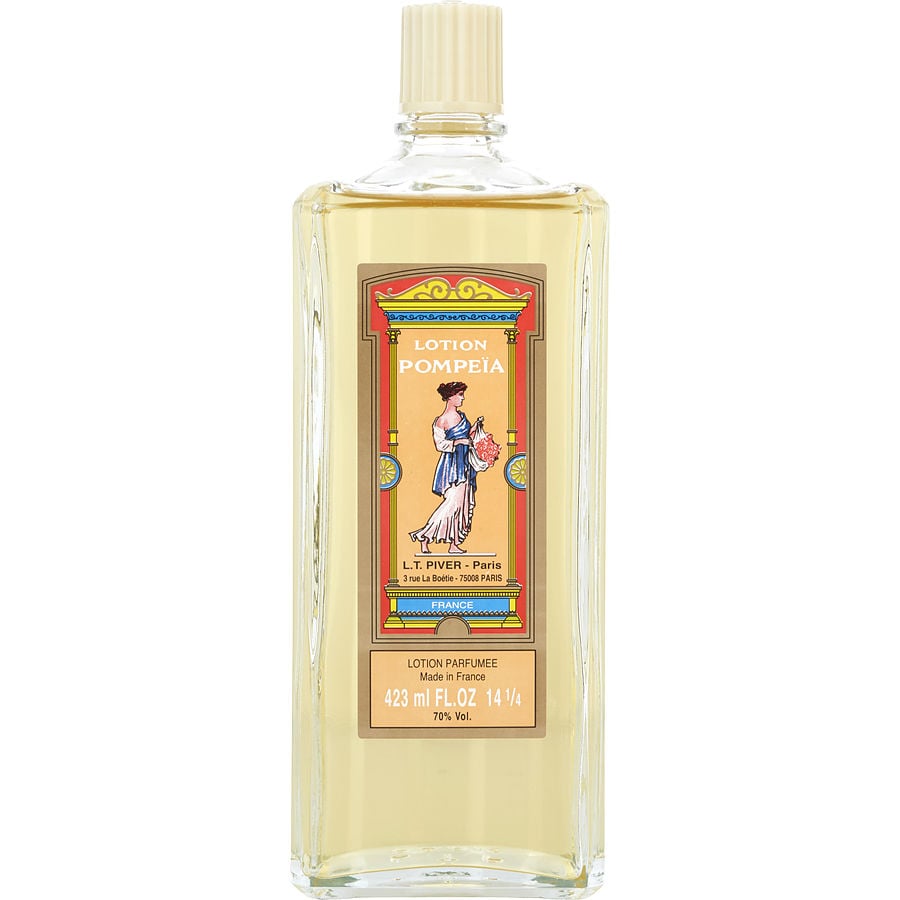
L.T. Piver traces its lineage to July 8, 1774, when Michel Adam opened the Paris perfume boutique À la Reine des Fleurs. Pierre-Guillaume Dissey and Louis-Toussaint Piver took over in 1805 as Dissey & Piver; after Dissey’s death in 1823, Piver became sole head and the house adopted the L.T. Piver name. The perfumery opened branches in London, Brussels, and Barcelona in 1817 and reached the American market through New York wholesalers by 1830. Ownership changed in 1832, when Piver sold the company to Messier and Amavet; his nephews resumed leadership in 1837. Jacques Rouché took over in 1896 and worked with chemist Georges Darzens to introduce chemical-synthesis methods into the house’s perfumery. In 1898, L.T. Piver created Le Trèfle Incarnat, an early blend of synthetic oils and natural essences that became one of the Belle Époque’s great successes. After its integration into Rhône-Poulenc and the Amouyal family’s 1989 acquisition, Nelly Chenelat-Durand took over in July 2022, with renewal centered on the house’s historical fragrance heritage and perfumer Joëlle Lerioux. Pompeïa is one of its defining surviving fragrances, whose popularity helped the brand survive in overseas markets and whose cultural use continues in parts of the Caribbean and Africa.
Brand ratings
Leading notes
Leading accords
Explore L.T. Piver








On this page: 1–22 of 22