Fragrance house
Royal Copenhagen
Royal Copenhagen’s documented history includes Danish royal patronage and porcelain craft. In 1790, the Danish royal court commissioned the Flora Danica dinner service as a gift for Empress Catherine II of Russia, an enduring example of European porcelain art from the period. The company was privatized in 1868 while retaining its royal name and legacy. In 1885, architect Arnold Krog became artistic director and further developed underglaze painting, helping shift the manufactory toward naturalistic decoration and artistic renewal; his underglaze work won the Grand Prix at the 1889 World Fair in Paris. Its identity combines royal heritage, hand-painted blue-and-white porcelain, high craftsmanship, and renewal through contemporary design collaborations. Axcel acquired Royal Copenhagen in 2001 as part of the Royal Scandinavia Group. Today, Fiskars presents it as one of its design-driven lifestyle brands. The fragrance is a separate licensed extension: the eponymous men’s cologne launched in the United States in 1970 and is classified as a chypre with a powdery-floral, aromatic profile.
Brand ratings
Leading notes
Leading accords
Explore Royal Copenhagen



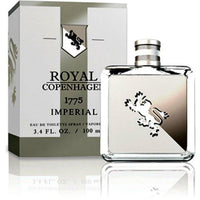
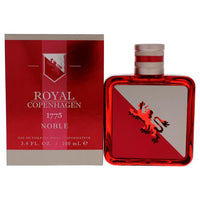
On this page: 1–10 of 10